
This 5 days tour from Marrakech to the Sahara Desert is a complete immersion in Morocco’s landscapes, history, and culture. You will cross the High Atlas Mountains, explore ancient kasbahs, valleys, gorges, and oases, and reach the golden dunes of Merzouga. Along the way, you will discover Berber villages, meet locals, and learn about their traditions, customs, and daily life. Women and children play central roles in the community, working in the fields, collecting water, cooking, or attending school. You will see how families survive in remote regions, adapt to the mountain and desert climate, and maintain ancient practices. This tour also includes insights into local festivals such as the Erfoud Date Festival and the Roses Festival in Kelaat M’gouna, celebrating harvests and cultural heritage. The tour is fully customizable to suit your pace and interests.
Itinerary – 5 days tour from Marrakech to the Sahara Desert
Day 1 – Marrakech to Ouarzazate
We depart Marrakech early, heading through the High Atlas Mountains via the famous Tizi n’Tichka pass. The road climbs gradually, revealing panoramic mountain views, terraced fields, and small Berber villages. Here, you can observe how families cultivate wheat, barley, and vegetables on steep slopes, and how irrigation channels bring water from rivers to farms. Women carry water, gather firewood, and prepare meals using traditional methods. Children walk long distances to attend local schools, reflecting the importance of education even in harsh conditions. The climate varies with altitude—cool in the mountains and dry in valleys, with changing landscapes every hour.
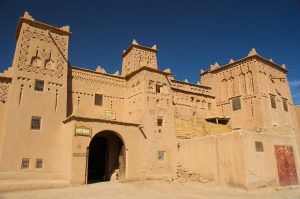
We make a stop in Ouarzazate, known as the gateway to the southern deserts. Here, you will see ancient kasbahs, local markets, and small artisan workshops. Ouarzazate is a historical center where the Berber and Arab cultures meet. The city has a long history of film production, but the real charm lies in its kasbahs and local traditions. Overnight in a hotel in Ouarzazate allows you to rest before the journey into the valleys.
Day 2 – Ouarzazate to Roses Valley and Dades Gorges
Leaving Ouarzazate, we travel a short distance to the Roses Valley (Kelaat M’gouna). This fertile region is famous for rose cultivation, and visitors often arrive during the annual Roses Festival, celebrating the harvest with music, dancing, and local markets. You will see women picking roses early in the morning, carefully layering petals for distillation into rose water, a centuries-old tradition. This festival reflects local culture, women’s roles, and communal celebrations, while also highlighting Morocco’s agricultural expertise and traditions.
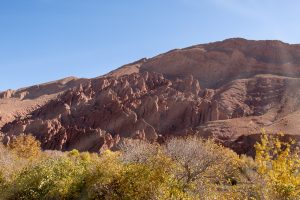
Continuing along the road, we enter the Dades Valley, known for its striking landscapes, kasbahs, and oasis villages. The valley is dotted with clay houses and fortified homes, where Berber families continue age-old practices. I will explain how families use traditional irrigation systems to grow dates, vegetables, and grains. Women are often responsible for domestic life and crafts, while children help in the fields or attend local schools. The valley’s arid climate, rocky formations, and palm groves create a stunning backdrop for photographs and cultural immersion. Overnight in a hotel in Dades Valley allows you to enjoy the sunset over the red cliffs.
Day 3 – Dades Gorges to Todra Gorges to Merzouga
After breakfast, we follow the winding road through the Dades Gorges, marveling at dramatic cliffs, red rock formations, and small Berber villages perched on the slopes. I will explain the geological history of the area, how wind and water shaped the canyons, and how families have adapted to life here. The gorges are home to goats and small farms, and women often carry water and prepare meals for travelers and villagers alike.
Next, we arrive at Todra Gorge, one of Morocco’s most spectacular canyons. Here, limestone walls rise over 300 meters, forming a natural corridor. Local children play near the cliffs, while families maintain small plots of land. I will explain the history of Berber settlement in these mountains, the architectural style of their homes, and the way communities organize their lives around scarce water resources.
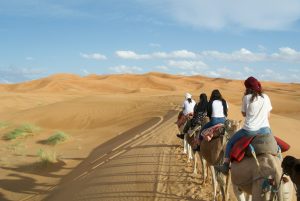
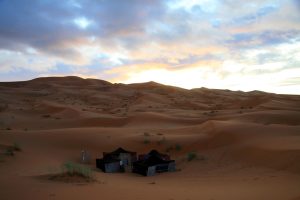
By late afternoon, we reach Merzouga, at the edge of the Sahara Desert. Guests ride camels into the dunes at sunset, experiencing the vastness of the desert. I will share stories of nomads, desert survival, and traditional music, explaining how families live in isolation, how women manage households, and how children grow up learning desert skills. Dinner is served at a desert camp, and the night is spent under a sky full of stars, a perfect introduction to desert life.
Day 4 – Merzouga: Desert Exploration and Berber Community
We wake early for the sunrise over the dunes, a breathtaking spectacle as the sand shifts from gold to red. The desert climate is harsh, with hot days and cool nights, and I explain how plants, animals, and humans have adapted. After breakfast, we visit nearby Berber villages. Travelers see traditional homes, clothes, and crafts. Women continue to manage domestic life and rose-water distillation where applicable, while men tend to animals and date palms. Children attend school if possible, and local guides explain community life and customs.
The afternoon is dedicated to desert exploration: camel trekking, walking dunes, and learning nomadic survival techniques, music, and storytelling. This day is immersive, connecting travelers with the landscape, people, and culture. Another night in the desert camp allows guests to experience the peace, silence, and starry skies of the Sahara.
Day 5 – Merzouga to Draa Valley to Agdz to Marrakech
After breakfast, we leave Merzouga and drive through the Draa Valley, a lush palm-filled valley where families cultivate dates, grains, and vegetables using traditional irrigation. You will see women and children at work and men maintaining water channels. Local villages are alive with daily activities, reflecting centuries of agricultural and cultural practices.
We stop in Agdz, a small Berber town with clay homes and gardens. I explain the history of the region, the ancient trade routes, and the way local communities organize life around the climate and land. The valley’s arid and semi-arid climate shapes every aspect of life, from farming to festivals. Travelers learn about the Erfoud Date Festival, celebrating the date harvest, and the Kelaat M’gouna Roses Festival, celebrating agricultural traditions and cultural pride.
Continuing through changing landscapes, we drive across the Middle Atlas Mountains, observing cedar forests, small villages, and seasonal life. Women wear traditional clothing, prepare food, and maintain homes, while children attend schools and help with chores. Stories of Berber culture, traditions, and desert life are shared during the drive. By evening, we arrive in Marrakech, concluding a rich and unforgettable 5-day journey.
Included
- Private air-conditioned vehicle with driver/guide
- 4 nights accommodation (hotels + desert camp)
- Breakfast and dinner each day
- Camel trek in the Sahara Desert
- Pickup and drop-off in Marrakech
- Local guide explaining Berber culture, customs, and traditions
Not Included
- International flights
- Lunches
- Drinks and personal expenses
- Travel insurance
- Optional activities not listed in the itinerary
Book This Tour
To join this 5 dayS Marrakech to Merzouga tour, send an email with:
- Travel dates
- Number of travelers
- Any special requests
We will customize the tour for your interests and schedule. Experience Morocco’s culture, desert, and mountains in a fully immersive way.